
Transformational business models are the keys to the kingdom
Sustainability + profit are hanging out without you

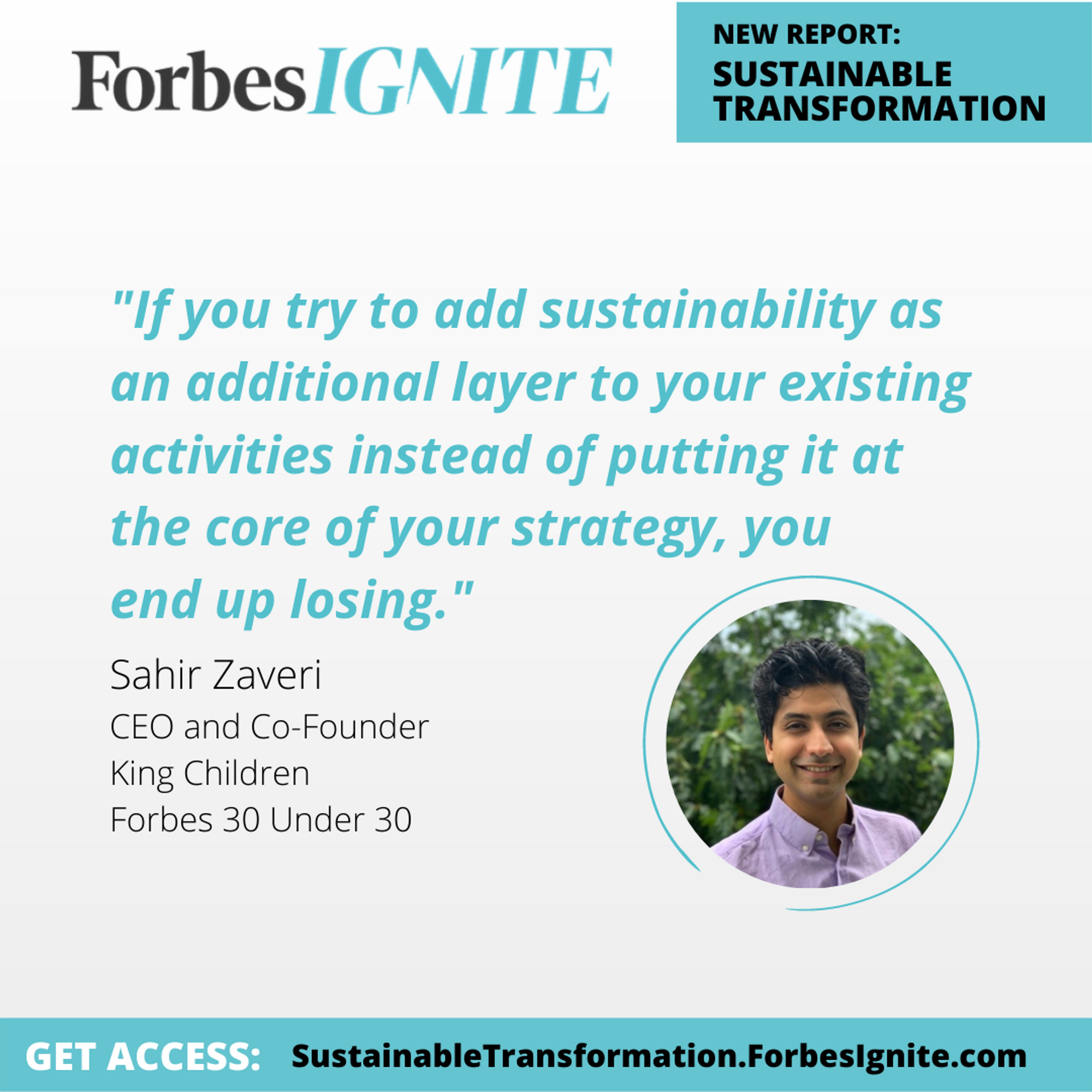
Adding on sustainability to business-as-usual is, honestly, absurd.
Just as in the 90s making tech a core function was the only way to keep up as a business, there’s no alternative to focusing on sustainability in the 20s to stay relevant (read: profitable) for the long term.
As we’ve explained in detail before, global supply chains weren’t built for the context they exist in now - we’re banking on a system that simply can’t survive the shift. Throwing sustainability on as an afterthought only adds to the chaos.
Climate is the next frontier for business: keep up or be kept out.
Learning from the tech boom
Backtracking 50 years or so, the concept of a chief technology officer was foreign to major businesses of the world; but quick tech advances in the form of computers, software platforms and IT then completely transformed business operations. Now we all have computers in our pockets and every company has a tech strategy - businesses in 2023 can’t function without tech at their core.
As execs created a seismic shift, they completely transformed the models that drive their businesses through the lens of tech advancements. They built out tech teams to leverage new developments and work more efficiently. They even reframed the purpose of their companies as a whole. This transformation brought us into a new era of doing business: tech is core, profits grow, and your CTO has a corner office.
Sustainability is next
We’re at an inflection point of even greater importance than the tech transformation. We know we have to address the climate, cutting carbon and waste to prevent devastating impacts.
So why are we leaning on complicated solutions that make tiiiiiny improvements? Do you know anyone that actually composts those biodegradable sleeves? Sustainable packaging isn’t going to save the planet.
Measuring sustainability in this way is effectively the same as a Fortune 500 company hiring an IT manager in the 90s, and basing tech success on how many computers are in the office. These metrics are just numbers - they don’t show us anything has changed.
Our solutions must make leaps and bounds. It’s about only making what we’re actually going to use (we went deep on that here), not making the same amount of stuff in the same way and embellishing with the sustainable. The overproduction (and any packaging people don’t want, regardless of its kind) goes to the landfill anyways - scope 3 emissions are pervasive.
New foundations are necessary to make sustainability achievable. We’ve fully broken down the need for eliminating inventory, making products efficiently and doing so close to markets. This is the only future for manufacturing and supply chains; a shift in the business model itself that achieves profit just as much as it achieves sustainability.